
Red, burning, gritty eyes often trace back to inflamed eyelids. How healthy lids protect your tear film — and how our in-office Rinsada treatment helps reset it.
When the eyelids become inflamed or coated with bacteria, allergens, and debris, the discomfort is often chronic — flaring up, easing, and returning again. We see it in patients with rosacea, blepharitis, dry eye, allergies, and those recovering from eye surgery.
Common symptoms of eyelid inflammation
- Red, irritated eyelids
- Burning or stinging eyes
- Itching around the lashes
- Crusting or flakes on the eyelids
- Watery eyes
- A gritty or sandy sensation
- Blurred vision that clears when you blink
- Contact lens discomfort
How inflammation affects your tear film
Your eyelids are home to tiny oil glands that help produce a healthy tear film — the protective layer that keeps your eyes comfortable and your vision clear. A healthy tear film has three working parts:
- An oily layer that slows evaporation
- A watery layer that hydrates the eye
- A mucin layer that anchors the tears and spreads them evenly across the surface
When the lids are inflamed — whether from allergies, rosacea, blepharitis, or conjunctivitis — the tear film becomes unstable, and vision can fluctuate between blinks. It is one of the main reasons patients keep experiencing dry eye symptoms even while using artificial tears.
How Rinsada resets the tear film
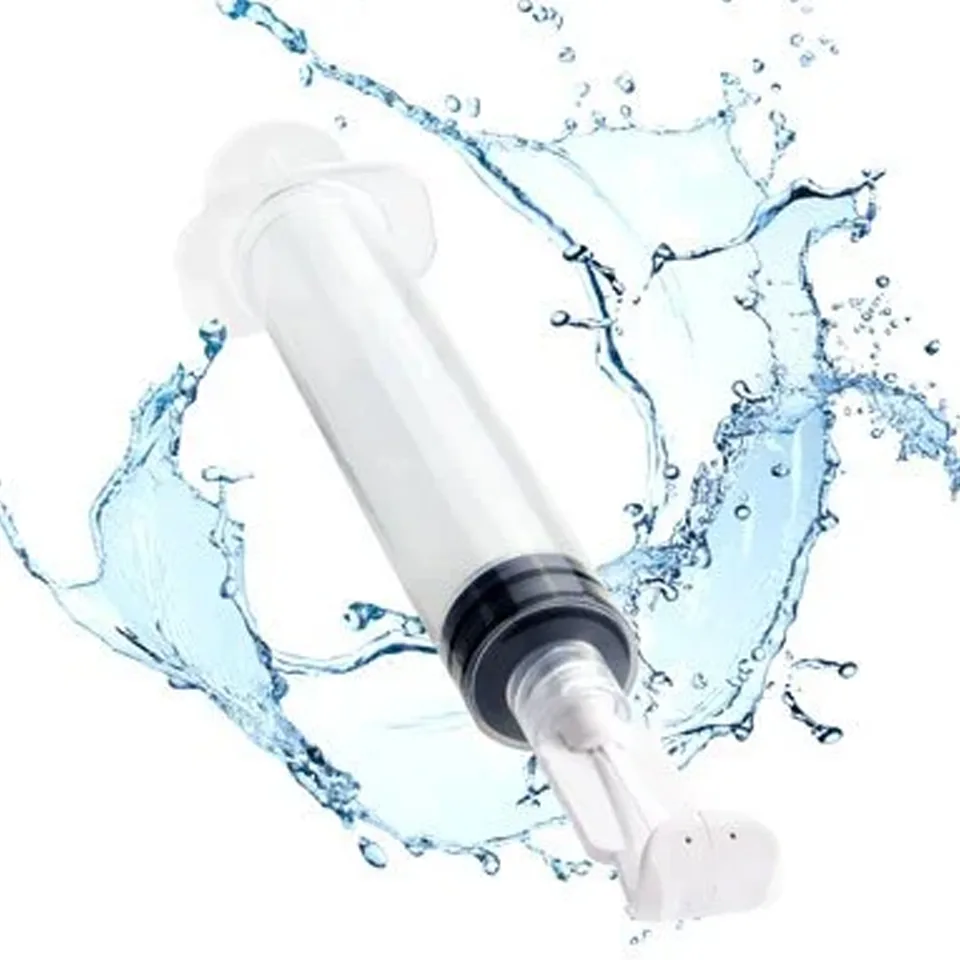
Rinsada® is our newest non-toxic, in-office treatment. It gently irrigates the ocular surface, washing away inflammatory debris, allergens, excess mucus, and other material that collects in the tear film. By thoroughly cleansing the surface of the eye, Rinsada helps create a healthier environment for the tear film and may:
- Reduce inflammatory debris
- Remove residual irritants and allergens from the ocular surface
- Improve overall comfort
- Support a healthier, more stable tear film
- Complement treatments for blepharitis and dry eye disease
With proper eyelid hygiene and modern in-office treatments like Rinsada, Low-Level Light Therapy, and ZEST, inflammation can often be managed effectively — improving both comfort and vision. A comprehensive dry eye evaluation can identify the underlying cause and determine which advanced treatments belong in your personalized care plan.