Most chronic dry eye is not a tear-production problem — it is an oil problem. When the meibomian glands along the eyelid margin become blocked or inflamed, tears evaporate too quickly, and drops alone never address the cause.
Intense Pulsed Light (IPL) is a non-invasive treatment using broad-spectrum, controlled pulses of light applied to the skin around the eyes. It reduces the activity of — and ultimately closes — the abnormal blood vessels driving inflammation and irritation. It also improves meibomian gland oil quality and flow, and decreases bacterial load and Demodex mites: all major contributors to chronic dry eye and ocular surface disease.
Radiofrequency (RF) uses controlled heat to gently warm and soften hardened oil inside the meibomian glands of the upper and lower eyelids, improving oil evacuation and flow. It reduces inflammation and supports cellular repair, leading to better long-term eyelid health — and, as a welcome side effect, tighter skin and improved elasticity.
We encourage combining these therapies. Many patients benefit most from IPL, RF and Low-Level Light Therapy used together — addressing inflammation, gland function, and tear film stability at once.
A full evaluation determines whether treatment is appropriate for you — skin type, medications, and medical history all factor in.
Unlike a cosmetic medical spa, treatment in an optometry practice focuses specifically on ocular surface disease, meibomian gland dysfunction, eyelid and facial conditions, long-term dry eye management, and medical-grade diagnostic imaging.
Conditions like acne, loose eyelids, rosacea, and skin lesions can directly contribute to uncomfortable eye and vision problems. Your eye doctor takes an integrative approach — evaluating skin health, eye health, and chronic disease together, and treating from the inside out.
Book an EvaluationWe use the iProElite and InfinityPro platforms from MDelite — medical-grade systems built for use around the eyes, not repurposed spa equipment.
iProElite combines three technologies in one treatment:
InfinityPro is medical-grade light therapy delivering six wavelengths designed to renew, repair and rebalance — multi-layer support for healthier skin, calmer inflammation, and natural healing. Treatments run 20–30 minutes with anti-bacterial benefits, no downtime, and nothing invasive.
Your doctor selects the protocol — or combination — that fits what we find at your evaluation.
Tightening and lifting for heavy, loose or crepey eyelid skin.
Calms the vascular flushing and irritation around the eyes.
Skin revitalization, gentle tightening and pigment correction.
Advanced skin tightening and wrinkle reduction.
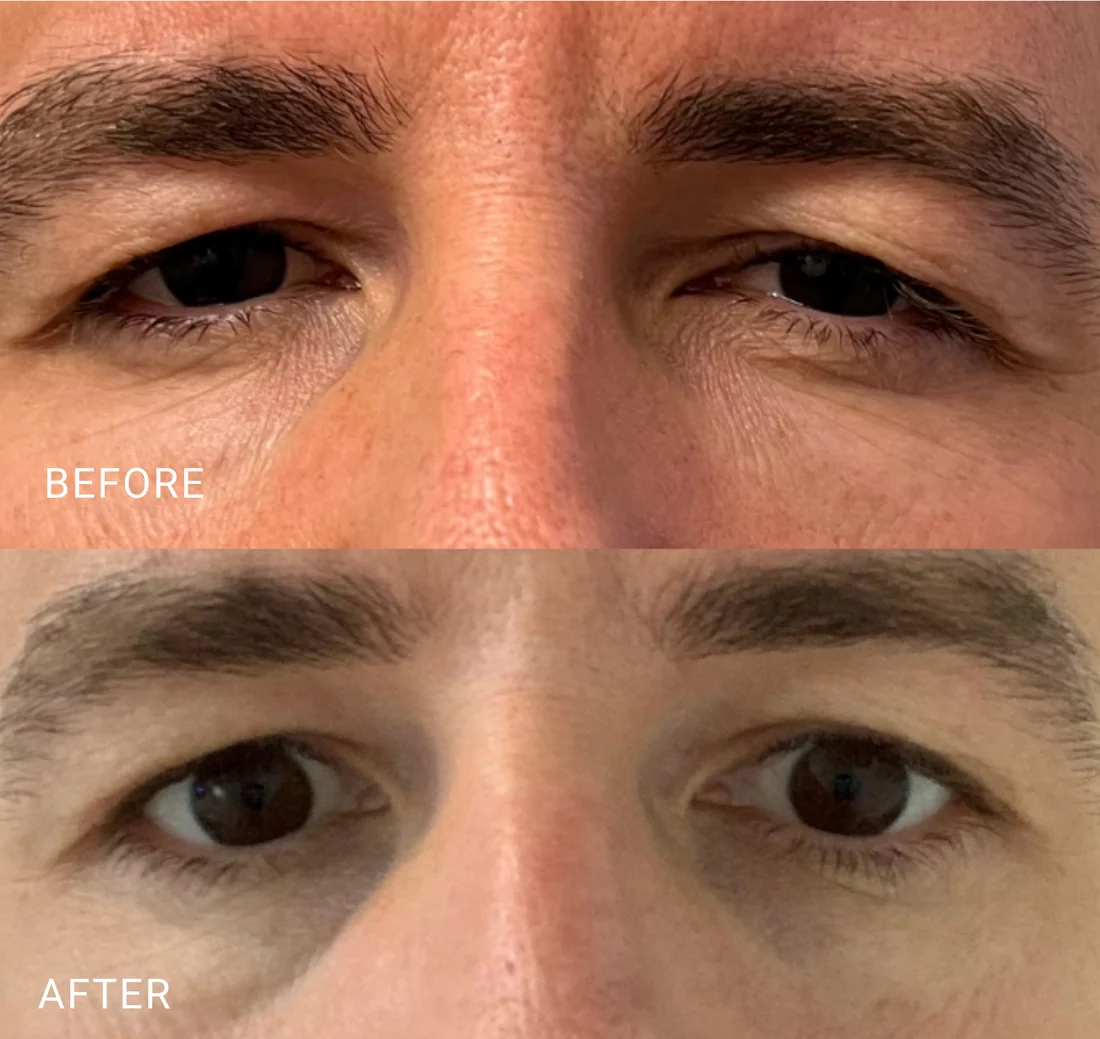
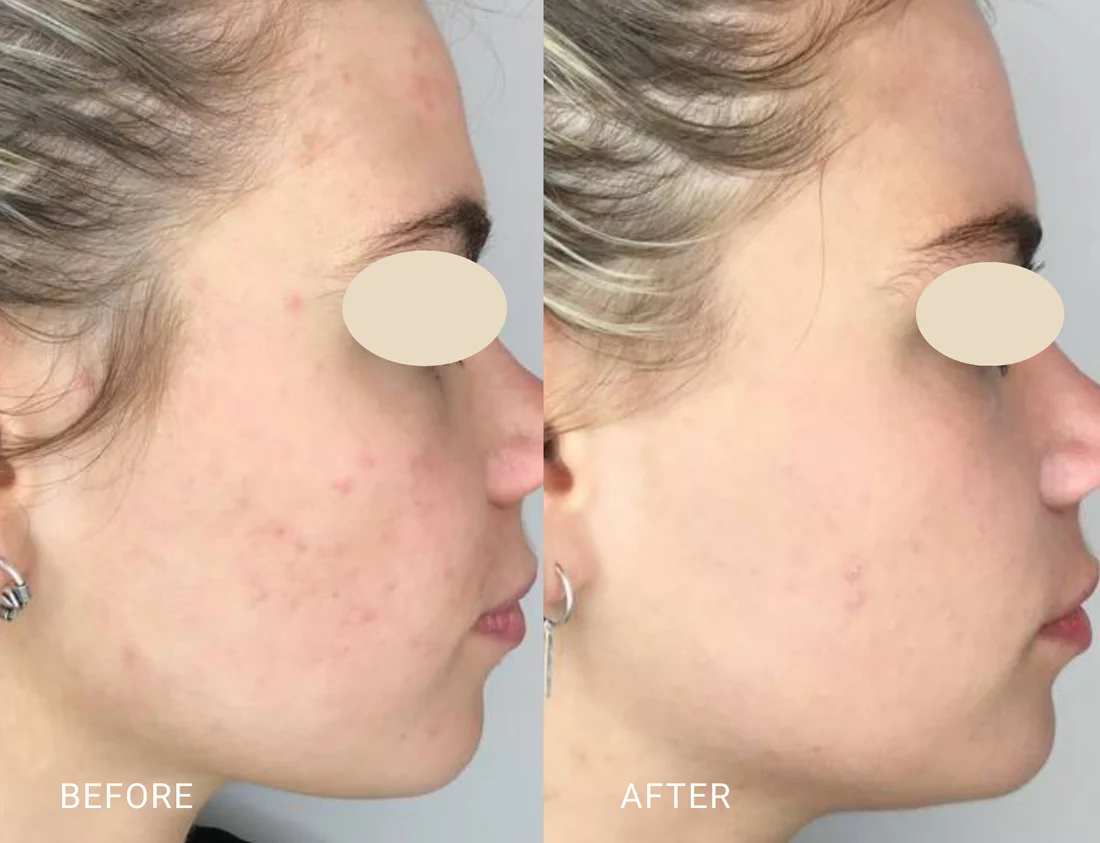
Individual results vary. Photos shown are representative of typical outcomes over a course of treatment.
A minimum of four treatments is needed to create meaningful change — each visit builds on the last. Severe cases may need more, and maintenance may be recommended every 6–12 months.
Visits are typically scheduled 2–4 weeks apart. You can book the full series ahead of time or schedule as you go.
Plan on 45–60 minutes in office for IPL, and 30–45 minutes for RF and LLLT. Downtime is minimal — mild redness and warmth usually resolve within a few hours.
Yes — we encourage it. Many patients benefit from using all three together to address inflammation, gland function, and tear film stability at the same time.
Most patients describe it as a series of quick, warm snaps with light pressure. It is generally very tolerable and without pain. A saline rinse is used at the end of each procedure.
Like a warm facial massage around the eyes — most patients find it relaxing. A manual eyelid expression follows the treatment to complete it.
Many patients notice improvement after one or two treatments, though the best results are typically seen after completing the full series.
In severe or chronic cases, maintenance procedures every 3–6 months are possible. We monitor this at your regular exam visits and recommend only what is necessary.
Yes, depending on the condition being treated. Your doctor will review the at-home products and routines that work alongside your in-office procedures.
Arrive with clean eyes — makeup removed, using the cleanser we recommend. If you are coming straight from work, we can take care of this in the office before treatment. See the full pre-treatment instructions.
Yes, but you can remove them here in the office and put them back in as soon as your treatment is complete.
Yes. Performed in an optometric medical setting, protective eyeshields are used where indicated and treatment is customized to your skin type and condition. Clinical protocols are followed carefully, and these treatments have received FDA clearance for the specific indications and applications used at Glimpse Vision.
Most IPL, RF and LLLT treatments for dry eye are considered elective and are not covered by insurance. FSA and HSA funds can be applied. Costs and packages are reviewed with you before scheduling. Visits are charged per session and paid in full on the day of service.
You may not be a candidate if you are pregnant, have active skin infections in the treatment areas, have certain autoimmune or photosensitive conditions, or use certain systemic or topical light-sensitizing medications. A full evaluation will determine whether treatment is appropriate for you.
IPL and RF launch at our Gold Coast location first, with Hinsdale following shortly after. If you have struggled with dry eye that never fully resolves — or been told to just use drops — this is the conversation worth having.
Book a ConsultationTherapeutic red, blue, yellow and near-infrared light that reduces inflammation and stimulates cellular healing — often paired with IPL and RF.
Learn more → ServiceA full workup to identify what is actually driving your symptoms before any treatment begins.
Learn more → JournalStraight answers on price, how many sessions you need, insurance, FSA/HSA, and what it feels like.
Read → ServiceNon-toxic supplements, lid hygiene, and lubricating products that extend your results at home.
Learn more →